They Play Their Home Games At Lambeau Field, Which Was Named After Coach Earl Lambeau In 1965.
Merkel Cell Skin Cancer. Merkel cell carcinoma (mcc) is a rare skin cancer. Merkel cell carcinoma (mcc) is a rare, aggressive form of skin cancer with a high risk for returning (recurring) and spreading (metastasizing), often within two to three years after initial diagnosis. Merkel cell carcinoma is a rare type of skin cancer that usually starts in areas of skin exposed to the sun. Treatment options for merkel cell carcinoma often depend on whether the cancer has spread beyond the skin. Merkel cell carcinomas are unlike other skin cancers in that they typically don't appear with an alarming asymmetrical shape or pigmented color. Merkel cell carcinoma (mcc) is a rare type of skin cancer. Rather, they can look innocuous, even like a bug bite. Cancer records show that doctors diagnosed about 2,000 mccs in the united states during 2018.1. It's a type of skin cancer that occurs when cells in the skin, known as merkel cells, grow uncontrollably. Hydrochlorothiazide use and risk for merkel cell carcinoma and malignant adnexal skin tumors: Merkel cell carcinoma (mcc) is a rare and aggressive skin cancer occurring in about 3 people per 1,000,000 members of the population. Merkel cell carcinoma (mcc) is also called neuroendocrine carcinoma of the skin. It starts when cells in the skin called merkel cells start to grow out of control. Find out more about risk factors, symptoms, tests to. The cancer usually presents as a single reddish or purple lump on a part of the skin that is often exposed to.
Merkel Cell Skin Cancer , Learning The Signs And Symptoms Of Merkel Cell Cancer Get Healthy Stay Healthy
Basal Cell Carcinoma Wikipedia. It's a type of skin cancer that occurs when cells in the skin, known as merkel cells, grow uncontrollably. Treatment options for merkel cell carcinoma often depend on whether the cancer has spread beyond the skin. Merkel cell carcinoma is a rare type of skin cancer that usually starts in areas of skin exposed to the sun. Cancer records show that doctors diagnosed about 2,000 mccs in the united states during 2018.1. Merkel cell carcinoma (mcc) is a rare and aggressive skin cancer occurring in about 3 people per 1,000,000 members of the population. Merkel cell carcinoma (mcc) is a rare type of skin cancer. Hydrochlorothiazide use and risk for merkel cell carcinoma and malignant adnexal skin tumors: Merkel cell carcinomas are unlike other skin cancers in that they typically don't appear with an alarming asymmetrical shape or pigmented color. The cancer usually presents as a single reddish or purple lump on a part of the skin that is often exposed to. Merkel cell carcinoma (mcc) is a rare skin cancer. Merkel cell carcinoma (mcc) is also called neuroendocrine carcinoma of the skin. Rather, they can look innocuous, even like a bug bite. It starts when cells in the skin called merkel cells start to grow out of control. Merkel cell carcinoma (mcc) is a rare, aggressive form of skin cancer with a high risk for returning (recurring) and spreading (metastasizing), often within two to three years after initial diagnosis. Find out more about risk factors, symptoms, tests to.
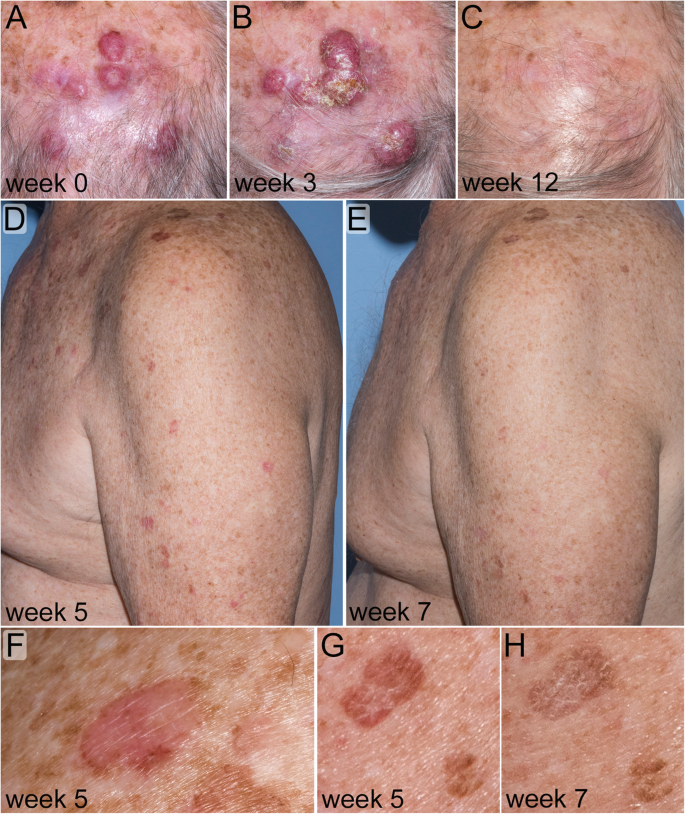
Diffuse Lichen Planus Like Keratoses And Clinical Pseudo Progression Associated With Avelumab Treatment For Merkel Cell Carcinoma A Case Report Bmc Cancer Full Text from media.springernature.com
Rather, they can look innocuous, even like a bug bite. Merkel cell carcinoma was first described by cyril toker in 1972 who named. Cancer records show that doctors diagnosed about 2,000 mccs in the united states during 2018.1. We are physicians and researchers who have cared for over 800 patients with mcc, a rare and aggressive skin cancer. Merkel cell carcinoma klaus d. Also called neuroendocrine carcinoma of the skin or trabecular cancer, merkel cell carcinoma is a very rare type of skin cancer that forms when merkel cells grow out of. Merkel cells are types of cells in the upper layer of the skin.
Carcinoma denotes cancer of the skin or the lining of the internal organs.
Hydrochlorothiazide use and risk for merkel cell carcinoma and malignant adnexal skin tumors: Merkel cell carcinoma klaus d. They're called merkel cells and make up only a small percentage of skin cells. Source for information on merkel cell carcinoma: Merkel cell carcinoma is a highly aggressive primary cutaneous neuroendocrine carcinoma primarily affecting elderly and immunosuppressed individuals. Merkel cell carcinoma (mcc) gets its name because these skin cancer cells resemble merkel cells, which are located in the top layer of skin. The cancer usually presents as a single reddish or purple lump on a part of the skin that is often exposed to. These cells are near the nerve endings and they help us respond to touch. The cells are very close to nerve endings, and help the skin sense light touch. For reasons still under investigation within the scientific community. A kind of skin cancer called merkel cell carcinoma (mcc) in adults and children. We are physicians and researchers who have cared for over 800 patients with mcc, a rare and aggressive skin cancer. Merkel cell carcinoma is a rare type of skin cancer. Merkel cells are associated with nerve endings within the skin. Rather, they can look innocuous, even like a bug bite. Merkel cell carcinoma (mcc) is a rare type of skin cancer. Want to know how you can protect your skin. Merkel cell carcinoma is a relatively uncommon form of skin cancer that results from the excessive growth of cells that serve as touch receptors (merkel cells) in the outermost layer of the skin. Treatment options for merkel cell carcinoma often depend on whether the cancer has spread beyond the skin. Merkel cell carcinoma of the skin is a rare form of skin cancer. Though the cancer can grow and spread rapidly merkel cell carcinoma is rare, accounting for less than 1 percent of total skin cancer diagnoses, though the number of patients diagnosed with the. Hydrochlorothiazide use and risk for merkel cell carcinoma and malignant adnexal skin tumors: Merkel cell carcinoma is a rare type of skin cancer that usually starts in areas of skin exposed to the sun. It is an aggressive type of cancer that can spread (metastasize) to other areas of the body. Diagnosis requires microscopic evaluation as the clinical appearance is nonspecific and can mimic a variety of benign and malignant skin lesions. Merkel cell carcinoma (mcc) is a rare type of skin cancer. Carcinoma denotes cancer of the skin or the lining of the internal organs. Description merkel cells are cells that lie in the middle layers of the skin. The adjuvant radiation therapy means radiotherapy is used to destroy cancerous cells that remain after surgery has removed all clinically detectable. Merkel cell carcinoma (mcc) is a rare and a highly aggressive type of primary skin cancer. This use is approved based on how many patients responded to treatment and how long they responded.
Merkel Cell Skin Cancer : Description Merkel Cells Are Cells That Lie In The Middle Layers Of The Skin.
Merkel Cell Skin Cancer , Merkel Cell Carcinoma Presented As A Firm Intradermal Upper Arm Papule Download Scientific Diagram
Merkel Cell Skin Cancer : Clinical Photos Of Merkel Cell Carcinoma
Merkel Cell Skin Cancer - Merkel Cell Carcinoma Forms On Or Just Beneath The Skin.
Merkel Cell Skin Cancer , Rather, They Can Look Innocuous, Even Like A Bug Bite.
Merkel Cell Skin Cancer : It's A Type Of Skin Cancer That Occurs When Cells In The Skin, Known As Merkel Cells, Grow Uncontrollably.
Merkel Cell Skin Cancer : These Cells Are Very Close To Nerve Endings.
Merkel Cell Skin Cancer , Merkel Cells Are Found In The Top Layer Of The Skin.
Merkel Cell Skin Cancer - It May Be Very Aggressive And Often Metastasises To Other Parts Of The Body.
Merkel Cell Skin Cancer : These Cells Are Near The Nerve Endings And They Help Us Respond To Touch.